

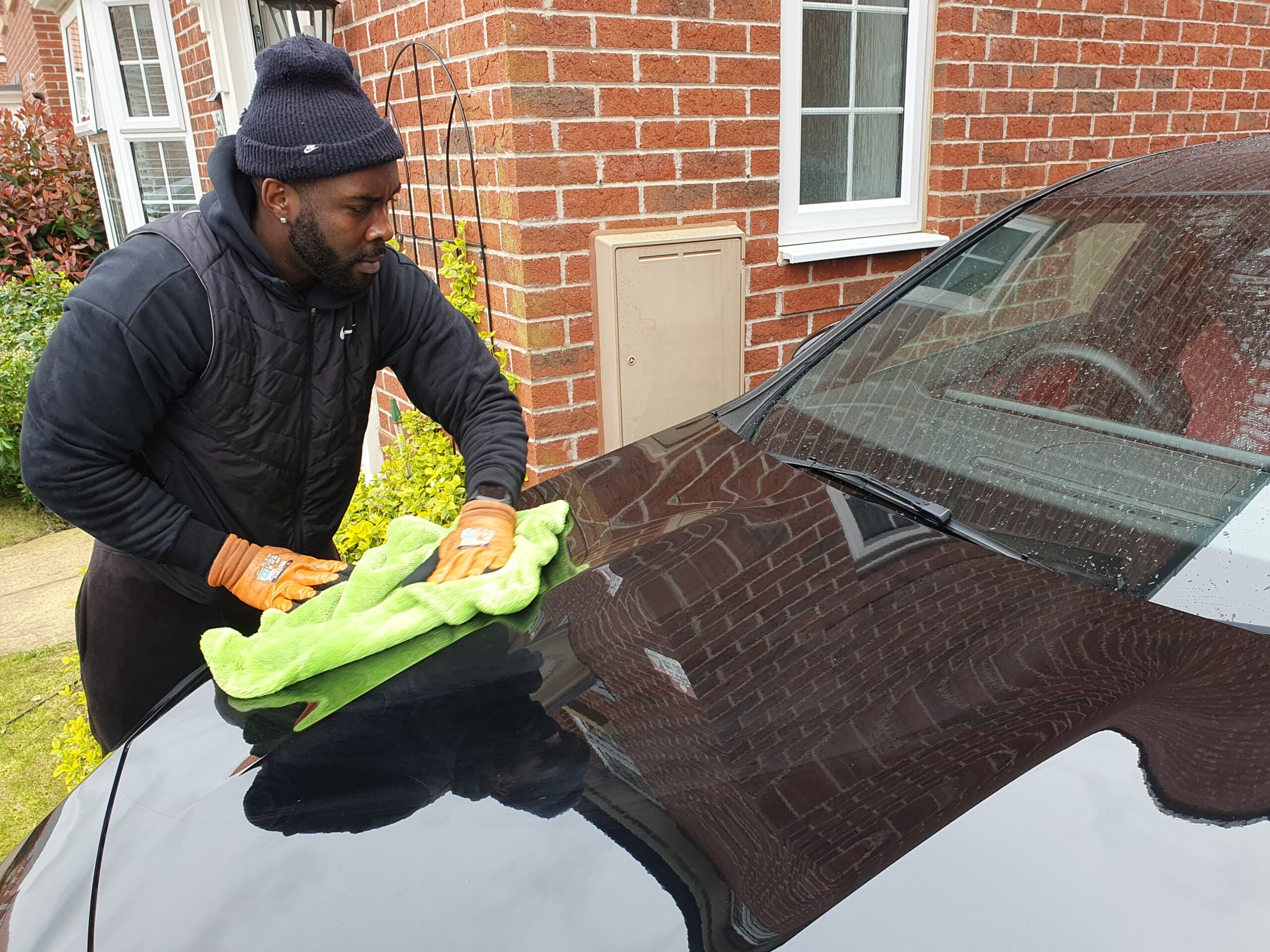
Sudden impact leaves visible damage that needs careful attention. Many owners look for clear repair guidance without confusion. A trusted auto body shop san antonio approach focuses on steady correction methods. Every step matters when restoring structure and outer surface. Simple processes help avoid further issues over time. The following sections connect each repair stage into one clear flow.
Detailed Inspection and Damage Understanding
Careful review helps identify both visible and hidden issues. Proper observation supports accurate repair direction.
- Surface marks checked using light reflection for clear visibility
- Structural sections tested for alignment shift after impact force
- Internal panels reviewed to detect hidden stress or cracks
- Frame condition evaluated for balance stability and safety assurance
Each step improves clarity before starting correction work.
Balanced Repair Flow Across All Stages
Every phase follows a simple order to avoid confusion. Cleaning begins the process and prepares the surface. Adjustment follows to correct the shape and alignment. Final finishing ensures proper appearance and smooth texture.
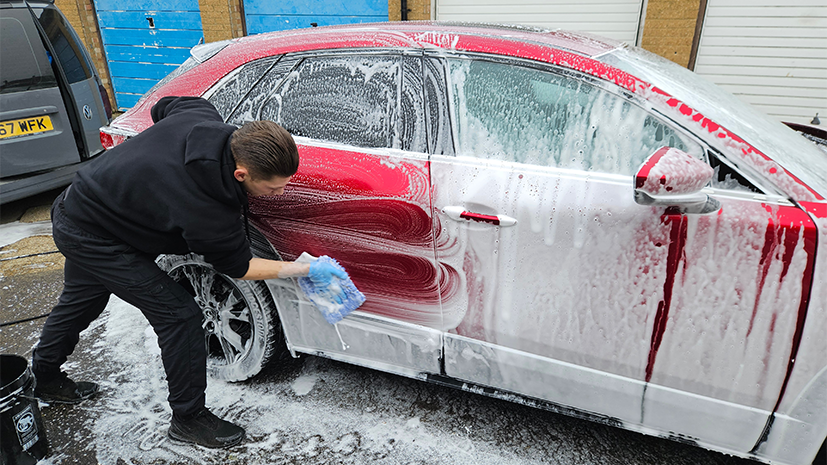
Panel Straightening with Careful Adjustment
Correction methods focus on restoring the original shape gradually. Small changes prevent further stress on the structure. Steady handling keeps the frame balanced without overcorrection.
Surface Preparation for Strong Bonding Results
Preparation builds the base for long-lasting repair quality. Cleaning removes unwanted residue before further steps. Smooth sanding creates an even layer for coating. Within this stage, many follow auto body shop san antonio methods for consistent results.
Structured Process for Complete Repair Workflow
Every stage connects to create a stable outcome. Controlled steps help reduce errors during restoration.
- Cleaning removes dust particles and grease before starting the repair
- Sanding smooths rough surface areas for better coating adhesion
- Filling compounds are applied evenly to fix dents and depressions
- Priming layer added to create a stable base for painting
- Color application ensures even tone across the entire repaired section
- Drying process controlled to avoid cracks or surface defects
- Polishing enhances surface clarity and smooth reflective finish
- Final check confirms alignment strength and overall repair accuracy
Consistent Quality Monitoring During Each Phase
Regular checks ensure that small issues do not grow larger. Visual review supports early correction. Each stage receives attention before moving to the next.
Workmanship Influence on Repair Outcome
Human skill plays a strong role in achieving proper results. Careful handling improves precision during each step. Experience helps avoid unnecessary damage during correction.
Maintenance Steps After Repair Completion
Proper care keeps restored areas stable over time. Gentle cleaning prevents surface wear and damage. Routine checks help maintain the corrected condition.
Frequently Asked Questions
- Why is inspection important? It helps find hidden issues before repair begins.
- How does sanding help?It creates a smooth base for coating.
- What ensures a strong finish?Proper preparation and controlled application.
- Can damage return after repair?Poor maintenance can lead to recurring issues.
- What supports long term results?Consistent repair steps and regular care.
Steady Process Builds Reliable Results
Repair work improves when each step follows a clear order. Careful checks reduce the chances of repeated issues. Proper material use supports longer durability. Skilled handling keeps the structure stable without extra stress. Consistent execution delivers dependable outcomes through patience and disciplined effort rather than rushed actions.